Tuesday, May 19, 2026

What Retirees are Looking for in a New Home...A Good Deal!

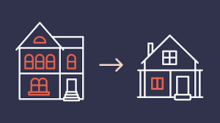
Baby boomers own $84 trillion worth of real estate wealth, and they want to make the most of it in retirement. One of the chief ways they can do so is to downsize their home.

Many retirees are downsizing from larger family homes to single-story or low-maintenance properties.  Not only are these properties better suited to the changing accessibility needs of older adults, but they’re often cheaper to buy and maintain.

Those savings allow retirees to make the most of their home sale proceeds and create a financial cushion to fund retirement expenses, travel, healthcare, or hobbies.

Aging-in-Place Features

Aging-in-place improvements are crucial for many retirees. These home modifications use universal design elements to enhance the safety, accessibility, and comfort of a space. 

But adaptive living is more than just a matter of practicality—it’s also a top design trend for 2026.  Homeowners of all ages are increasingly incorporating discrete adaptations such as curb-less showers, smart lighting systems, and sleek grab bars that complement the home’s aesthetics. 

As more homeowners move less and stay in their homes longer, design experts predict these modifications will soon become standard practice, blending safety with contemporary style.

Low-Maintenance Properties

By retirement, most homeowners have had enough of maintaining a property...they want to relax and enjoy the fruits of their labor. Likewise, they may not have the same disposable income they once did and opt to not spend on housekeeping services.

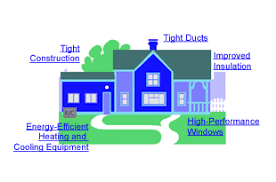
As such, they’re drawn to durable materials that require little upkeep, and energy-efficient appliances that keep overhead costs down.

But don’t mistake low-maintenance with flashy tech.  Whereas younger buyers might be impressed by flashy superficials like new granite countertops, TOTO toilets, or exotic hardwood floors, retirees who are looking for a new home tend to be much more focused on the ‘peace of mind’ fundamentals of a home.

These include Energy Star-rated appliances that reduce utility bills and environmental impact, stain-resistant carpeting that requires little maintenance and reduces fall risk, and non-porous countertops that are easy to clean.

Community and Convenience

Retirees want ways to enrich their free time, not waste it. As such, they prioritize communities with proximity to recreational activities, family, and services.

Neighborhoods with community centers offering recreational options like pickleball courts, swimming pools, and art classes are highly attractive. Sidewalks for walking and nearby places of worship further enhance the sense of community and accessibility, providing retirees with a well-rounded, engaging lifestyle.

These amenities offer more than just leisure activities. They foster social connections and an active lifestyle, both essential for retirees' physical and mental well-being. Communities designed with convenience in mind can significantly improve retirees' quality of life by promoting independence and social engagement, critical factors for happiness in retirement.

Retiring?  Here’s How to Find Your Dream Home

The path to your ideal retirement home begins with careful consideration of your personal needs, finances, and lifestyle goals. 

Start by assessing your budget and clearly defining your priorities—such as location, accessibility, or community features. While it’s ideal to have all of these elements, you may have to sacrifice one for another, so creating a hierarchy of your wants can also be helpful.

Partner with us.  We understand your situation and can streamline your search by finding homes that fit your criteria. Talk with your us about a financing plan to make sure that you’re able to maximize your equity without sacrificing your desires.

Once you've aligned your vision with practical considerations, you’ll be ready to move into your new chapter.

...and live Posh...even in retirement!

(314) 348-4033

How to Estimate Your Home’s Current Market Value

Understanding your home’s market value helps you price confidently, plan your next move, and avoid leaving money on the table.

A smart first step is reviewing recent comparable sales—homes in your area with similar size, condition, and features. Pay attention to final sale prices, days on market, and any patterns in buyer demand. These details reveal how quickly homes are moving and what today’s buyers are willing to pay.

Next, take a clear-eyed look at your home’s condition. Small improvements like fresh paint, updated lighting, minor repairs, or simple landscaping upgrades can meaningfully influence value. Even well‑maintained homes benefit from a quick refresh before you estimate their worth. Online valuation tools can offer a general range, but they often miss important nuances such as upgrades, layout differences, views, or neighborhood micro‑trends.

For the most accurate picture, request a professional market analysis from a us.  We can provide a clear, data‑backed estimate tailored to your home, your neighborhood, and current market conditions.  Just give us a call at:


(314) 348-4033

Seniors Can Create "A Future" Not Just Avoid "The Future"

 Preparing for “the future” is dramatically different than preparing for “a future.” What a difference a little word makes!  Seniors quit preparing for the next chapter of life.  They stop thinking that there is a future and, consequently, they are on automatic pilot.

We plan for the future all our lives.  We plan to go to school, go to work, get married, have children and grandchildren, and retire.  And when that happens, often the planning stops.  We slide into this phase of maintenance and hedge our bets against calamity without really thinking about it.

Planning a future means embracing curiosity.  It means not leetting the calendar dictate whether or not your have something meadingful to contribute.  It means consciously and joyfully deciding that there is still more road ahead, and it's worth paving.

A future doesn't have to be big or bold...it just has to be yours!

Don't Be Vague About Your Plan To Downsize

Deciding where you want to live in retirement is an important step.  If you want to downsize, decide when you'd like to make your move and research exactly where you want to relocate to.

Look at home prices in areas you think you'd like to live.  Would the difference in cost, factoring in all the associated costs of buying and selling, give you the financial cushion you were expecting?

Consider what type of home will work for you (such as a low-maintenance condo) as well as what services you need.  Will your healthcare providers be easy to get to?  Are family and friends close?  Are there community and recreation centers close by?

If you plan to move to a retirement community, research the costs of places you think you'd like to live and check out whether you'd need to add yourself to a waitlist.  If so, set a date at which you'll evaluate whether it's time to do so.

A retirement plan isn't one size fits all.  Your specific needs and wants will determine what your plan looks like.

If you've decided that you'll sell your home as part of your retirement plan, but you haven't taken further steps to lay out where you'll live, don't wait to put a plan in place.

It will relieve stress for you and your loved ones if you make a retirement plan that factors in your needs, as well as the potential for the unexpected and lets you live your golden years in a way that best suits you.


9 Tips for Selling Your Home in Spring 2026

Spring is typically the busiest season for residential real estate transactions, as buyers

 and sellers look to move when the weather warms and the school year ends.

For the past few years, low inventory has kept the spring in a seller’s market as buyers had to compete for the limited properties. However, as new housing inventory increases in some markets, the advantage has somewhat shifted to buyers.

Inventory is improving, but still not enough. Supply is increasing more slowly than we need. Sellers still have an advantage, but it’s not the extreme seller’s market we saw during the pandemic.

If you are thinking of selling this spring, here are 10 tips from real estate experts.

1.  Price your home for today’s market

Having the right price is important to bring buyers in. Too high and it can turn potential buyers away. That's where the comps — listings of similar properties in your area — come in.

Buyers today are informed and analytical, you need a smart pricing strategy based on the comps and what is actually happening in your area.  Holding on to aspirational pricing of yesterday and overpricing your home to test the waters is the fastest way to stall momentum.

While online pricing tools are helpful, local agents will know how to price the home for the current market.

2.  Handle repairs early to avoid spring surprises

The days of skipping inspections are over, and now buyers expect an inspection. If you know your home needs a major repair, make it now or lower your asking price. Sellers need to make repairs in advance and aim for clean inspection reports.

Buyers are less eager to renovate in 2026. Cost of materials are up, and many don’t want to deal with the hassle.

Any modifications that need to be done to the home that could help it sell quickly should be done.  A turnkey, move-in-ready home is really key in this market.

3.  Give your belongings a spring‑clean reset

Part of making a home appealing to a buyer is letting them see the space. It’s hard to get the full picture when someone else’s stuff is in the way.

The most important part is getting the home ready so that any prospective buyer walks in and can immediately imagine themselves living there.  Sometimes it’s just decluttering and depersonalizing so the home becomes as blank of a slate as possible.

Go through each closet, cabinet and storage space. Donate or sell what you don’t want and pack up what you are keeping. You’re going to move anyway —so, start packing before you list.

4.  Freshen your home with a deep clean

Buyers want a blank slate, which means they want a clean place. Cleaning before selling is different than a weekly cleaning. It’s a deep cleaning that gets to every surface in the house.

Clean, good-smelling, light and bright beats upgrades every time. A dirty upgraded house won’t sell.  As soon as a buyer walks in they will be judging the property, and if they can smell what you had for dinner last night, they are not going to see the home’s full potential.

5.  Give your home a light refresh

Maybe the home doesn’t need any major repairs. That doesn’t mean there isn’t room for improvement. There are simple ways to improve the home with refreshes.

Fresh caulking in bathrooms is such an easy fix and people still skip it.

Paint is a very powerful tool to cover up any wear or tear on the walls. As the owner you might not notice a scuff, but potential buyers will. Paint is also a way to make a space feel neutral.

Taking the time to refresh paint, carpet or drywall could set the home apart for a buyer.  New flooring and fresh paint are like catnip for buyers. They walk in, smell the fresh paint and immediately move the house to the top of their list.

6.  Use staging to help your home stand out

Some experts suggest staging a home when simply decluttering and cleaning are not enough.  Staging matters. Preparing the home to be ‘buyer-ready’ attracts more buyers, especially now that inventory has increased.

Staging is a powerful marketing tool, but you don’t need to go overboard.  Make the home as presentable as possible. Many of my listings that are selling now are freshly painted, staged and offer a neutral palette for the buyer.

7.  Make sure your online photos shine

Most buyers’ first impression of your home will be from an online listing, so make sure your Realtor is putting out the best images possible.

First impressions are everything. Most buyers decide whether or not to physically visit a home based on 10- to 15 seconds of online viewing. High-quality photography and video, and a well-crafted listing narrative need to be a part of the listing strategy.  The online listing should stand out and high-quality images are eye catching.

For marketing photos — your Realtor should hire a professional photographer. Don’t let your agent take cell-phone pictures.

8.  Get your keys ready

When putting a home on the market, you are going to need a few extra keys that work. Go ahead and get those keys and test them.

You will likely need to keep a spare key in a lockbox for agents to come show the home. Make sure you test the keys and make it easy for potential buyers and agents to see the home.

9.  List at the right moment in the spring market

Spring is a popular time for buying and selling because it’s the end of the school calendar year and the weather makes it easier to move.

Homes sell faster in the spring. Historically, we see median days on market drop from about 49 days in winter to around 30 days by early summer.


BOTTOM LINE

The housing inventory is up a bit this year compared to the last few years, which means there are more places competing for buyers' attention. Sellers need accurate, current pricing to stay competitive.

If you’re considering making a move in the next few months, give us a call at:

(314) 348-4033

We’ll provide you with a valuation of what your home could sell for in this current market, as well as give you even more tips on how to prepare your home for sale.

Don’t hesitate…contact us today!

Tuesday, April 28, 2026


How Much House Can I Afford in 2026? A Complete Guide for Smart Buyers

Buying a home in 2026 isn’t just about what a lender says you can afford—it’s about what actually fits your financial life without stretching you thin. With changing interest rates, home prices, and cost of living, getting this number right matters more than ever.

Let’s break it down in a practical, real-world way so you can confidently set your homebuying budget.


Start With the 28/36 Rule (But Don’t Treat It as Gospel)

A common guideline lenders use is the 28/36 rule:

  • Spend no more than 28% of your gross monthly income on housing
  • Spend no more than 36% on total debt (including car loans, credit cards, etc.)

Example:
If you make $6,000/month (before taxes):

  • Max housing = ~$1,680/month
  • Max total debt = ~$2,160/month

This gives you a baseline—but it doesn’t account for your lifestyle, goals, or risk tolerance.


Factor in What “Monthly Housing Cost” Really Means

Your mortgage payment is just one piece. In 2026, affordability means accounting for the full picture:

  • Principal + Interest
  • Property taxes (often rising in many areas)
  • Homeowners insurance
  • HOA fees (if applicable)
  • Maintenance & repairs (budget ~1–2% of home value annually)

A $2,000 mortgage can easily become a $2,600+ monthly obligation once everything is included.


Interest Rates Matter More Than Price

Even small rate changes dramatically impact affordability.

For example:

  • At 5.5%, a $350,000 loan ≈ $1,987/month
  • At 7%, that same loan ≈ $2,329/month

That’s hundreds more per month—without buying a more expensive home.

👉 In 2026, many buyers are adjusting budgets based on rates, not just home prices.


Your Down Payment Changes Everything

The more you put down:

  • The lower your monthly payment
  • The less interest you pay long-term
  • The better your chances of avoiding PMI (Private Mortgage Insurance)

Typical ranges in 2026:

  • 3–5%: Common for first-time buyers
  • 10–15%: More competitive offers
  • 20%+: Avoid PMI and reduce monthly costs

But don’t drain your savings—leave room for emergencies.


Account for Upfront Costs

Before you even move in, you’ll need cash for:

  • Down payment
  • Closing costs (2–5% of purchase price)
  • Moving expenses
  • Initial repairs or upgrades

Example:
On a $400,000 home, you might need:

  • $20,000–$80,000 down
  • $8,000–$20,000 closing costs

That’s a significant upfront investment—plan ahead.


Use a Reverse Budget Approach

Instead of asking, “What home price can I qualify for?”
Ask: “What monthly payment feels safe?”

Then work backward:

1.     Choose a comfortable monthly payment

2.     Subtract taxes, insurance, and fees

3.     Estimate your loan amount based on current rates

This approach keeps you in control—not the lender.


2026 Market Reality Check

In today’s market:

  • Home prices remain elevated in many regions
  • Interest rates fluctuate more than in the past decade
  • Inventory can still be tight in desirable areas

That means affordability is often about flexibility:

  • Expanding your location search
  • Considering smaller homes or fixer-uppers
  • Timing your purchase strategically

A Simple Affordability Snapshot

Here’s a rough guide based on income:

Annual Income

Comfortable Home Price Range*

$60,000

$180,000 – $250,000

$80,000

$250,000 – $325,000

$100,000

$300,000 – $400,000

$150,000

$450,000 – $600,000

*Assumes moderate debt, average rates, and ~10–20% down.


The Bottom Line

In 2026, the question isn’t just “How much house can I afford?”—it’s:

“How much house can I afford while still living the life I want?”

The smartest buyers:

  • Stay below their max approval
  • Plan for unexpected costs
  • Think long-term, not just monthly payments

Monday, August 7, 2023

What is a Luxury Home and What Makes It So Special?


If you've ever looked over real estate listings and came across an ad for a "luxury home", you might have thought..."Wow, this one must be special!"  But what exactly defines a luxury home?  Is it determined by price, location, square footage, or some combination of all of those?

"Luxury" isn't strictly how much you pay for a property.  It's more subjective and based upon what a particular area's high-end buyers have come to expect.

While it's difficult to pin down exactly what defines this air of influence, luxury homes to tend to have certain features in common.  So whether you're looking to buy a posh place or wondering if you can describe your current home as luxury, here are some general qualities you can expect to find in a luxury home.

1.    A High Price For The Area

A "luxury" price depends on where you live.  In general, the lowest price you can expect to pay for a luxury home starts anywhere from $500,000 to $3 million and goes up from there...way up.

In our area, $750,000 and up qualifies as a luxury property.

2.    Prime Location

No matter the city, state, or country, luxury homes are the ones with the most coveted locations.  They may be on a mountain, beachfront, overlooking a scenic cityscape, a high-rise condo, or located in the hippest part of town.

3.    Premier Quality

The construction materials, finishes, appliances, and design all must be a cut above what's considered standard.  Marble, hardwood, Venetian plaster, crystal, and high-end appliances have all become common components of luxury homes.

4.    Luxe Amenities  


From theater rooms, outdoor kitchens, and his and hers bathrooms, these homes incorporate the most exquisite amenities.

5.    Privacy

Many high-end buyers like their home to be a true refuge.  Therefore, privacy is a premium and can be noted with large yards (lots), high bushes, and gated entrances.

6.    Background


This may surprise you.  Luxury home buyers are not necessarily looking for flashy mansions, but do consider it an ultimate asset for their property to have some sort of story...history.  Whether the home was built by a prominent architect, is situated in a noteworthy area, or was once once owned by a well-known person, the value goes up if it's not just another tract home.

Ultimately, the definition of "luxury home" is in the eye of the beholder.

"Luxury" can mean many things; so rather than automatically swooning over a certain listing boasting this term, focus on the features you're keen to have in a home to find one that you love.


(314) 348-4033

Sunday, February 12, 2023

Tips on Buying a Home in a Tight Market


Increase your chances of getting your dream house instead of losing it to another buyer, with these easy steps.

1.    Get prequalified for a mortgage loan.  This will allow you to be able to make a firm commitment to buy and make your offer more desirable to the seller.

2.    Stay in close contact with your Realtor, as we find out first about new listings that come on the market.  And, be ready to go see a property as soon as it goes on the market.


3.
    Be ready to make a decision.  Spend lots of time in advance deciding what you must have, so you won't be unsure when you have the chance to make an offer.

4.    Bid competitively.  You may not want to start out offering the absolute highest price you can afford, but don't try to go too low to get a deal.  In this tight market, you'll lose out.

5.    Keep contingencies to a minimum.  Restrictions, such as needing to sell your home before you move or wanting to delay the closing until a certain date, can make your offer unappealing.  In this tight market, you'll probably be able to sell your house quickly.  (You can also take with your lender about getting a bridge loan to cover both mortgages for a short period of time).


6.    Don't get caught in a buying frenzy.  Just because there's competition doesn't mean you should just buy anything.  

Ready to get started?  Contact us to ensure you have expert, professional representation when buying and selling a home.


(314) 348-4033


What Retirees are Looking for in a New Home...A Good Deal!

Baby boomers own $84 trillion worth of real estate wealth, and they want to make the most of it in retirement. One of the chief ways they ca...